This Isn't Your Grandma's Candy
Before I begin my rant and lose a ton of friends over this next topic, let me just repeat a popular phrase; DON'T SHOOT THE MESSENGER! Because I'm about to touch on a sacred topic. Candy
Now, in all honestly, my sacred food is Coffee. I mean seriously, touch my coffee and die. But at least with coffee, I know many people who don't drink it. But, candy? I don't think I know anyone who hates candy. They might be allergic to some of it. They may prefer a darker chocolate over a lighter, milkier chocolate. They may like softer, gummier types of over hard candy. But candy has become a universal staple in our lives. And most people love it.
When I started researching candy production, I went back 50 years because that was right around the time, the make up of most candy started to change. In the mid 1970's, the average chocolate candy was made with cane sugar, beet sugar and molasses. And man those times were filled with many good candy memories. I remember every year going trick-o-treating with my brothers and when we would get back home with pillowcases full of sugar in all shapes, sizes and types my dad would take our candy sacks and dump them ontoAnd let me just say, the table, like we were pirates ogling over our newest treasures. Then he'd take out all the chocolate bars and put them in the freezer. Frozen Snickers...the best! And no arguing. I will die on this hill.
Back then the classic milk chocolates were made with simple ingredients like cocoa butter, whole milk powdered sugar and chocolate liquor. Then there were the bars like Snickers and Milky Way which was made up of nougats, whipped egg whites, sugar and corn syrup. And speaking of Nougat, Big Hunks. My all time favorite. I don't think there was a movie in the 80's I went to go see at the theaters without one of those bad boys. And yes, I realize it isn't chocolate. But I happen to be allergic to chocolate (You gasped. I heard it) so I ate chocolate only when I was willing to deal with the rash that followed.
But then, like everything else, commercialization took over the candy industry. Corporations wanted to make candy cheaper, faster and they wanted it to have a longer shelf life. And suddenly, all natural ingredients were traded for synthetic products and additives.
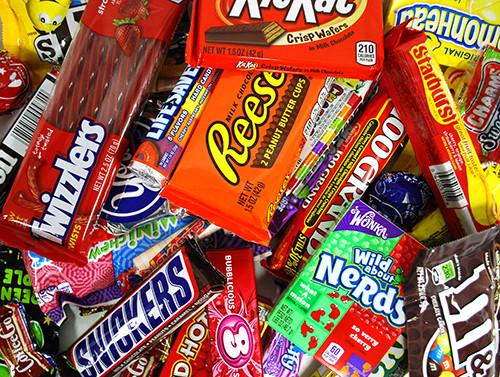
There are basically two types of chocolate bars today. The ones that cost more than a few gallons of gas and the heavily processed commercialized ones.
The expensive chocolate bars typically consist of a purer cacao (70% or more) and natural fats (such as organic cocoa butter, raw cane sugar and pure vanilla beans). And these organic or pure chocolate bars are not cheap. I've personally seen them in grocery stores ranging anywhere from $6-$10 per candy bar. Sometimes more. In fact, the first time I saw the price of one of those expensive chocolate bars, I asked the cashier if the store had made a mistake. But that was before I realized how much the price of cocoa has gone up due to climate change and how much cocoa is being put into those costlier bars compared to the typical mass produced candy bars we are more use to seeing and purchasing.
The less expensive candy bars or the commercialized mass produced ones, you know what I'm talking about. The one's that stare at you from the grocery store checkout stands, begging you to take care of your sugar fix while you stand in line contemplating whether you should purchase that Enquirer magazine next to them so you can read about when aliens are about to invade our planet. These commercial chocolate bars often contain traces of cocoa (many less than 2% now) and may include vegetable oils, emulsifiers, cheap fillers, synthetic vanillin, additives I can't pronounce and a shit ton of processed sugar.
Speaking of additives, here are some of the most common ones I've found to be in many of our candy bars today:
Synthetic Vanillin: The moment I saw this additive I had to look it up. It's a chemical compound which is responsible for smelling like vanilla. It's of course cheaper than pure vanilla so they put it in a lot of our food and cosmetics. Remember one of my rules when I wrote about products we put on our skin? Normally, if it is supposed to be used on top our skin, (like titanium dioxide that they put in sunscreens and toothpaste) it shouldn't go inside our bodies. Too much of this product can cause migraines, nausea and gut issues.
Artificial flavoring: want to know the definition of this? Well, I'm sharing it anyway. "Copies a natural taste or creates a new taste that is not found in nature." Yummy! Now, according to my research, artificial flavoring is not considered harmful to us in small amounts. But I pause when anyone uses the word "Artificial" when it is put in my food.
Tertiary-butylhydroquione (TBHQ): So, I have another rule. Actually, I have a lot of rules but this one I just created. Any word in my food that has to be abbreviated down to 4 letters because no one can pronounce it, shouldn't be in our food. And let me tell you all, this one is straight up toxic. This chemical is know to weaken our immune system and is a known carcinogen. And this ingredient is in many of our commercialized chocolate bars.
Sodium Metabisulphite: Oh look, no abbreviation! But just as toxic. This chemical is a sulfur based compound that may cause reactions such as blotchy skin, dermatitis, migraines and other skin issues.
Red 40, Yellow 5, Yellow 6, Blue 1, Blue 2: Most of us are familiar with these. Those pesky colors with numbers after them means people with ADHD don't do well with them since they can cause hyperactivity. I know because I have ADHD and have avoided foods with those ingredients for years. They affect the gut. They can increase the risk of DNA damage in the colon. Oh and my favorite, in some cases it can contain aluminum so it increases the risks of certain cancers.
Propyl Gallate: This ingredient is an endocrine disruptor, allergen and can cause reproductive harm. It is a synthetic antioxidant and preservative used primarily to prevent fats and oils from spoiling, turning rancid, or changing color. You can find this additive in some chewing gums, margarine and you guessed it! Some skin care products.
I stopped here because you all should be getting the picture by now. And keep in mind, these are only the high risk additives. Most chocolate candy has an average of 10 additives. 3 or 4 are usually considered high risk and that doesn’t count all the excess sugar and the high concentration of saturated fat which is considered acceptable by the food industry. Not to mention these cheaper products, have no nutritional value for us, unless you count the sugar high.
Here’s some good news though: did anyone know natural cocoa is actually good for us and has a lot of nutritional value? Cocoa has so many benefits that I’m surprised more people don’t know about them. They are packed with flavonoids (a diverse group of plant chemicals that help us fight off some diseases) and anti-oxidants. Cocoa lowers blood pressure, reduces inflammation and lowers heart disease. The problem nowadays though is due to climate change, our consumption of chocolate is outpacing the growth of Cacao trees. It's causing prices to rise, cocoa shortages and I just read that scientists from the University of Ca, Davis are working on genetic tools to make cocoa trees more resistant to climate change. I’m looking more into this and will update this blog when I find out more because if this in any way means bioengineered cocoa in our future, I’ll stick to coffee for my fix. But it may not. So like I said, I'll keep everyone posted.
The moral of my chocolate story is those expensive purer dark chocolate bars are really good for us in moderation. All those flavonoids help us to reduce inflammation, improve blood flow, improve cognitive ability and helps reduce stress. So for you chocolate addicts, the benefits of spending those few extra bucks for the good stuff, should be totally worth it.
After my wife's cancer diagnosis, she researched the benefits of cocoa. She loves dark chocolate! But chocolate also comes with a lot of sugar. So quite often now, she uses pure unsweetened cocoa, mixes it with some type of organic milk or soy milk, adds a bit of monk fruit (a natural sweetener great for diabetics and people wanting to cut back on sugar without using artificial sweetener) and she loves it! It doesn't affect her glucose levels, has powerful anti-inflammatory properties and its helping her heal after all those treatments. I call this the Trifecta of Goodness.
Gummy Candies
I knew when I started researching gummy candies I was going to regret it. I grew up on Swedish Fish & Gummy Bears, mainly because of my chocolate allergy. I had other options too like Licorice & hard candies but I just didn't care for that stuff. And now that I know what I know, I'm glad I avoided most of them.
During my research I found that Swedish Fish really haven't changed that much. They are still pretty much using the same 5 ingredients (sugar, modified corn starch, invert sugar, citric acid, corn syrup). But then there's all that food coloring, that I listed above, which makes them not good for us. Not to mention "modified corn starch" is just a fancy way of saying Bioengineered Food Ingredient." So anytime you see the word "Modified" anything on your package, you probably shouldn’t be eating it.
The same goes for gummy bears. The processing of these candies is gross to me. But they are made from 4 main ingredients and usually an animal or plant protein to gel them together. The food coloring again in them, is what makes those cute little bears toxic. When we take these gummy candies and turn them into the sour types of gummy candies, another chemical gets added to them now I've spoken about numerous times: Sulfur Dioxide. To remind everyone, sulfur dioxide is a carcinogen, allergen, endocrine disruptor & weakens the intestinal barrier (which means causes gut issues).
So what can we do if we really want a candy fix?
1. Chocolate Bars: Try to find a candy bar with a high concentration of Cocoa and no artificial ingredients. I’ve read that a brand called Endangered Species Dark Chocolate bars are a really good one. Since I can't eat chocolate and have never seen one of these candy bars in the wild, if anyone tries one, let me know what you think.
2. Gummy Candies: If you can find gummy bears that are made with real fruit juice, they would be a better alternative. And there are several on the market, if you look hard enough.
3. Ginger Candies: I could go on and on about the benefits of ginger. It’s great for nausea, it helps with inflammation, it eases muscle soreness. And it comes in chewy candy forms, crystallized forms, hard candy forms. Just look for ones that are all natural. Our favorite ginger candy is by The Ginger People. When my wife was going through chemo, this product was a godsend. We keep this candy on hand now for any time either one of us have an upset stomach of any type. And it comes in flavors! Mandarin Orange (My favorite), Lemon Ginger, Original Ginger the list goes on. Check out their site if you're interested: www.gingerpeople.com
Cocoa Powders: There are so many good cocoa powders I can't list them all. The most popular brand by far is Hersheys Cocoa Powder. It's 100% Cocoa. I've also found Whole Foods 365 Organic Cocoa powder, & Sprouts Organic Cocoa Powder are some of the easiest to get closer to me. They are also 100% cocoa and no additives. But if you're an Amazon addict like me, you can find many other all natural brands on line. And if you find one you like, you can make your own healthy chocolate candy for a fraction of the price.
Thanks to Google, here's a good and quick 70% dark chocolate bar recipe for those who are interested. Make sure to use all organic ingredients:
- 1/2 cup Cocoa Butter or Coconut Oil
- 1/2 cup Unsweetened Cocoa Powder (or raw cacao)
- 3 to 4 tbsp Sweetener (maple syrup, honey, or powdered sugar)
- 1 tsp Vanilla extract & a pinch of salt
- Melt the Fat: Gently melt the cocoa butter or coconut oil over a double boiler on low heat.
- Combine: Sift in your cocoa powder and stir continuously until smooth and lump-free.
- Add Flavor: Take off the heat, then stir in your sweetener, vanilla, and salt until completely dissolved.
- Set: Pour the liquid chocolate into silicone candy molds or an ice cube tray.
- Chill: Place in the refrigerator or freezer for about 30-60 minutes until solid
Books: my wife had me listen to this audiobook called Eat to Beat Disease by Dr William Li, MD. If you’re really serious about improving your health and the food you put into your body, I’d suggest reading or listening to this book. Dr Li made it easy to understand about foods ability to help heal the body from diseases like cancer and dementia as well as many others. He also has a good sense of humor and we both really enjoyed the book. He touches on the healthy effects of pure cocoa and how it aides in helping our bodies fight disease.
YUKA App: I list this app on all my blogs. This is my go to app for anything food or cosmetic related. I literally buy nothing now without using this app to scan it first. It scores every product we buy and gives you a list of everything, including the chemical additives in our products and what they do to us. Everyone should have this app on their phone if they are serious about food and its health effects. Warning though; grocery shopping will never be the same again and sometimes gets downright depressing.
I truly hope this blog helps you make some healthier decisions when it comes to your candy choices. Remember, we don't have to give up some of the things we enjoy like candy. In fact, in some instances the ingredients are good for us. But just like everything in life, moderation is the key.
*My Disclaimer: I am not a doctor, scientist or researcher. I do not have any investments in any of the companies I talk about or suggest. I am nothing more than a concerned citizen worried about the foods and products we are putting in and on our bodies due to their effects.
My hope is that you all have the ability to make good decisions on the products you purchase and that those decisions help you live long, healthy lives.
Be Well :-)


Comments
Post a Comment